

By Kashif Ahmed
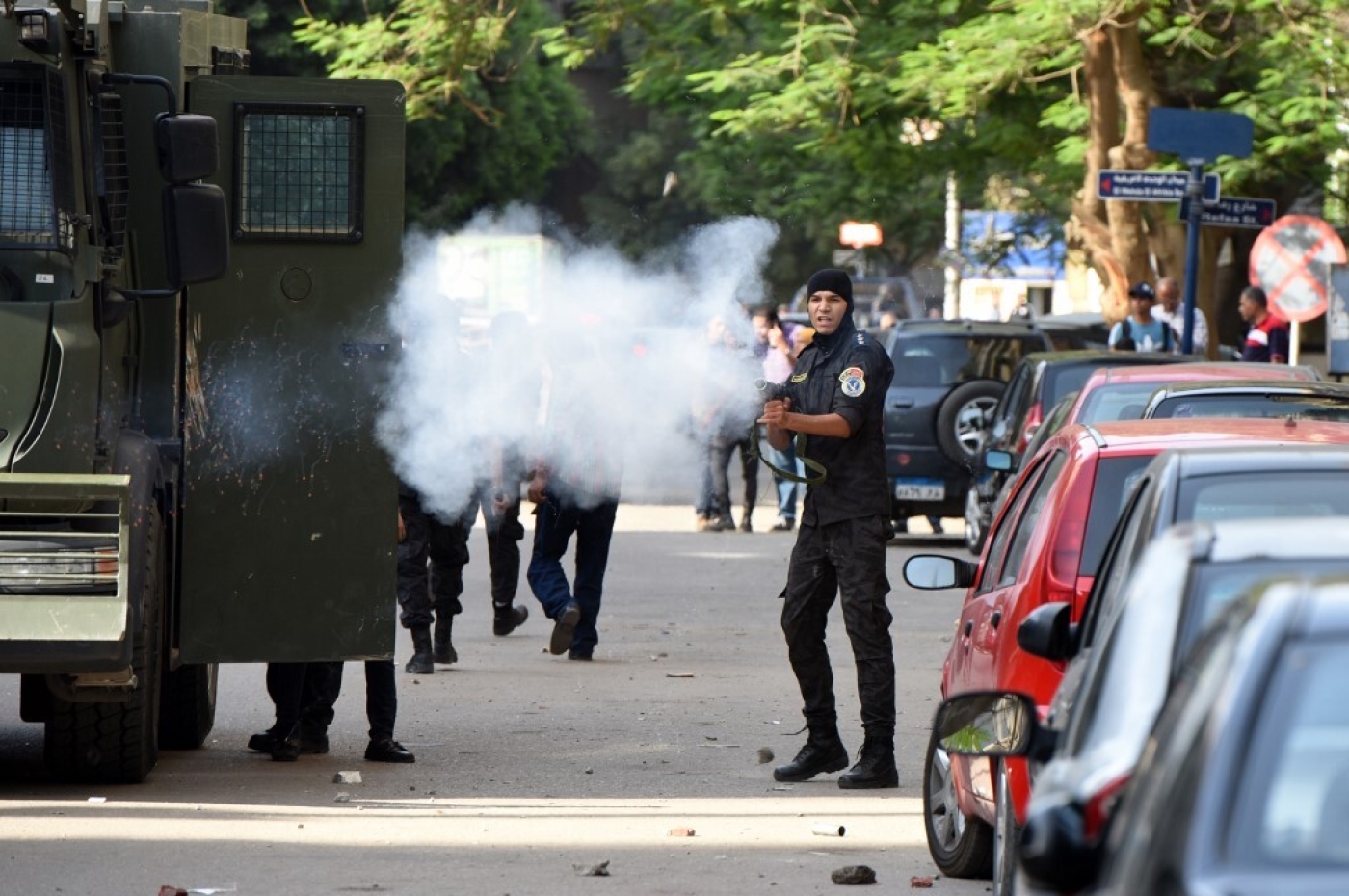
Pro-Israeli President Abdel Fattah el-Sisi, woke up to a fresh wave of protests in Cairo, Luxor, Beni Suef and Al-Jiza on Friday: Egyptians took to the streets in scenes reminiscent of the early stages of the Tahrir Square revolution; that toppled Zionist dictator, Hosni Mubarak, in 2011.
Organized by exiled whistle-blower, Mohamed Ali; anti-government demonstrations have been taking place across the country almost every day this week. With Egyptians demanding an end to the government’s repressive policies, and calling on President el-Sisi to resign.
Mohamed Ali, 35, worked with the government as a building contractor until last September; when he accused President el-Sisi of corruption and was consequently forced into exile: Now residing in Spain, Mr. Ali claims that he’s on the run for his life and is being followed / surveilled by agents working for el-Sisi. The Egyptian government, however, counter-claims that Ali is wanted for tax evasion, and are pressing Spanish authorities to extradite him.
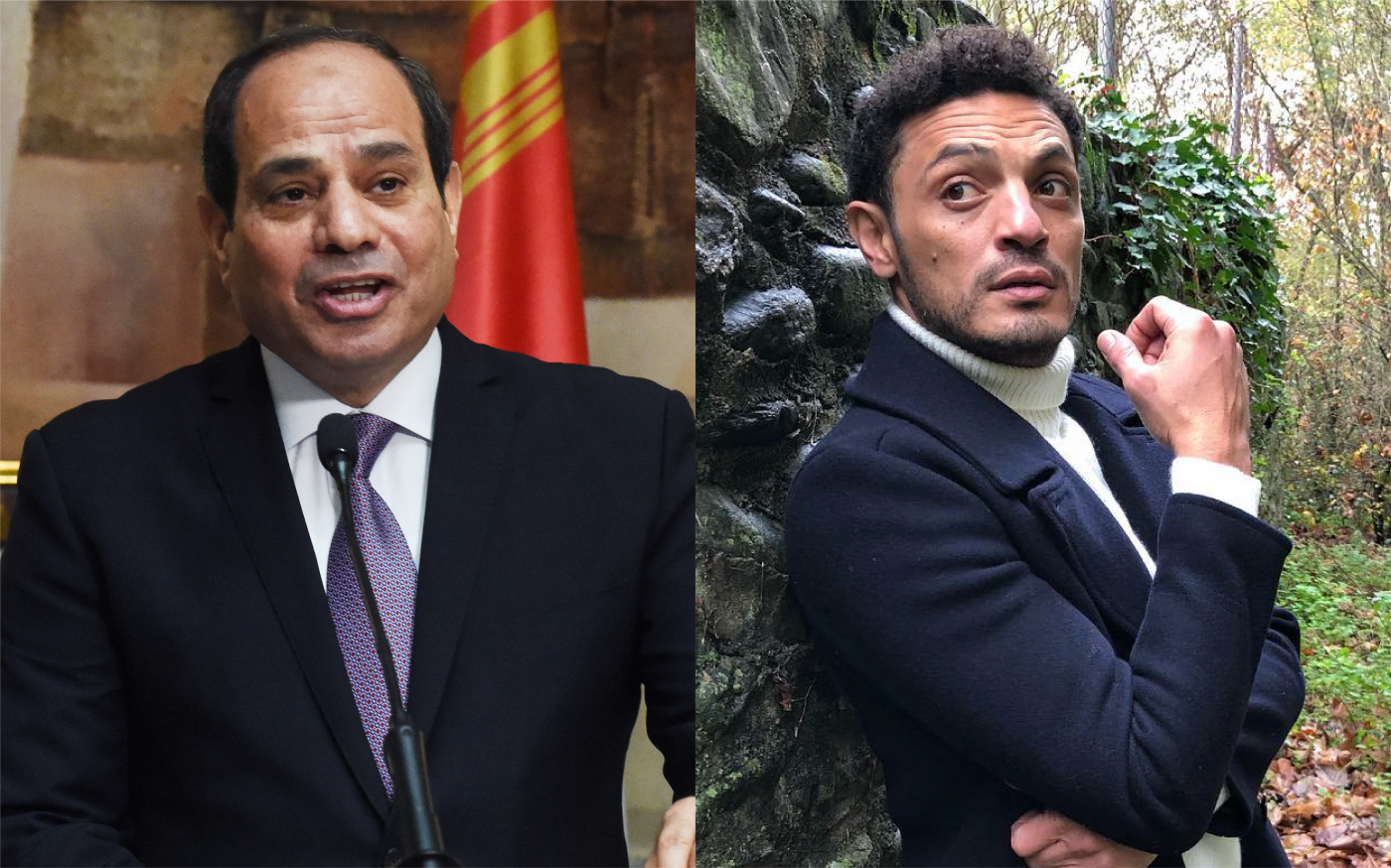
Part of the Egyptian National Action Group (ENAG), Mohamed Ali hopes to mobilize popular support across the board in a bid to remove Mr. el-Sisi from office. ENAG was started by El-Ghad Party co-founder, Ayman Nour: You’ll remember him as the chap who ran against Hosni Mubarak in the 2005 elections and was later imprisoned: Mr. Nour went onto form an alliance with President Muhammad Morsi’s Freedom and Justice Party, but fled the country soon after General el-Sisi seized power via a U.S.-Israeli backed coup d’état in 2013.
Now we don’t know exactly who’s financing the ENAG, but they’ve laid out the following points as part of their regime-change agenda, in a manifesto entitled: The Egyptian Consensus Document:
- A civilian democratic system with the rule of law and the separation of executive, legislative and judicial powers and independence of the media.
- Equal citizenship rights for women and men and for geographical and
historically marginalised groups including those of the Sinai, Nubia and Bedouins. - Civil, political, economic, social, and cultural human rights as declared in international instruments.
- Freedom of association.
- Consensus on a comprehensive national project” along the lines of the Egyptian revolution of 2011: ‘Bread, freedom, social justice and human dignity’.
- Replacement of the existing government.
- Release of all political prisoners and prisoners of conscience and transitional justice.
- Review of international agreements signed by the government in relation to transfer of Egyptian territory, natural resources and the waters of the Nile.
All of which sounds pretty reasonable (unless you’re part of el-Sisi’s government, of course, in which case point 6 would be a tad problematic), but given MENA’s bitter experience with the so-called ‘Arab Spring’, one has to ask: ‘Is this a legitimate revolutionary campaign against a corrupt government‘ or a controlled-op ruse; a figurative horsewhip to keep Mr. el-Sisi in line? A convoluted false-flag to motivate Jewry’s favorite Shabbos Goy to play a more active role in prosecuting Israel’s proxy-wars against Turkey and Libya? Perhaps.
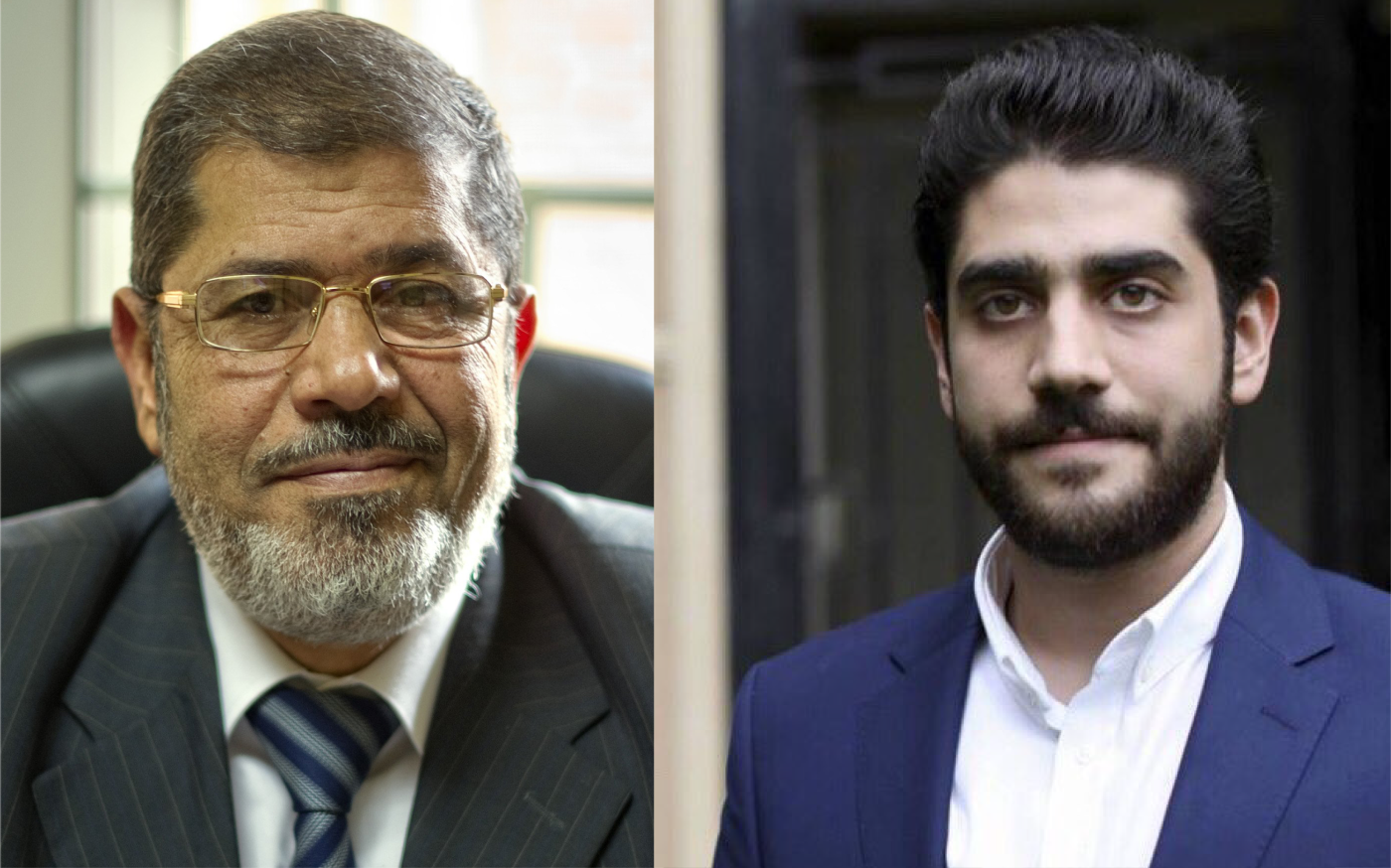
All we know for sure; is that General el-Sisi has infuriated the vast majority of Egyptians with his pro-Israeli policies, extreme austerity measures and arrogant approach to governance. Mr el-Sisi has also been accused of ordering the assassination of Muhammad Morsi in 2019 and the murder of his 25-year-old son, Abdullah Morsi, earlier this month.
Dalia Fahmy, Associate Professor of Political Science at Long Island University, New York, believes that a variety of factors have played a part in igniting these protests: “70 % of Egypt’s 98 million population were living on the brink or under the poverty line: That’s a situation that’s untenable. Add to that social and political constraints with people being arrested on charges of terrorism because they were protesting in the street.”
Needless to say, there’s no love lost between the government and millions of Egyptians who feel as if they were robbed of their first revolution, and have been through a baptism of fire in the years since. President el-Sisi is well aware of this; and the stage is set for what will likely be a short, but brutal, showdown.
Now even though we should all be wary of any exiled NGO that calls for revolution abroad, the facts on the ground show that the ENAG enjoys support from all sectors of Egyptian society (most of whom are pro-Palestinian). Whereas President el-Sisi, by his own admission, supports the illegitimate state of Israel: Mr. el-Sisi gifted Tel Aviv the Gaza-Sinai buffer zone, works closely with Israeli intelligence agencies, endorsed normalizing ties with the Jewish squatter-state and has tacitly embraced the moniker of being the most ‘Pro-Israeli Egyptian Leader in History’. So whilst the ENAG’s intentions may not be entirely egalitarian, they’re not seen as traitors for the time being either.
Egyptian security forces have sealed off Tharir Square, arrested over 2,000 people and allegedly shot dead three demonstrators in Al-Iyad, Al-Jiza in the early hours of Saturday morning. But Mohammad Ali remains defiant, as do those Egyptians who’ve put their heads above the parapet and are out on the streets right now. President el-Sisi, on the other hand, is also confident that he’s still a integral component of the U.S.-Israeli agenda in the region, and will thus be allowed to remain in power for as long as he wants…or at least as long as he’s needed by the U.S.-Israel.
 Forward March